Featured Animal Article Archive

2/8/25


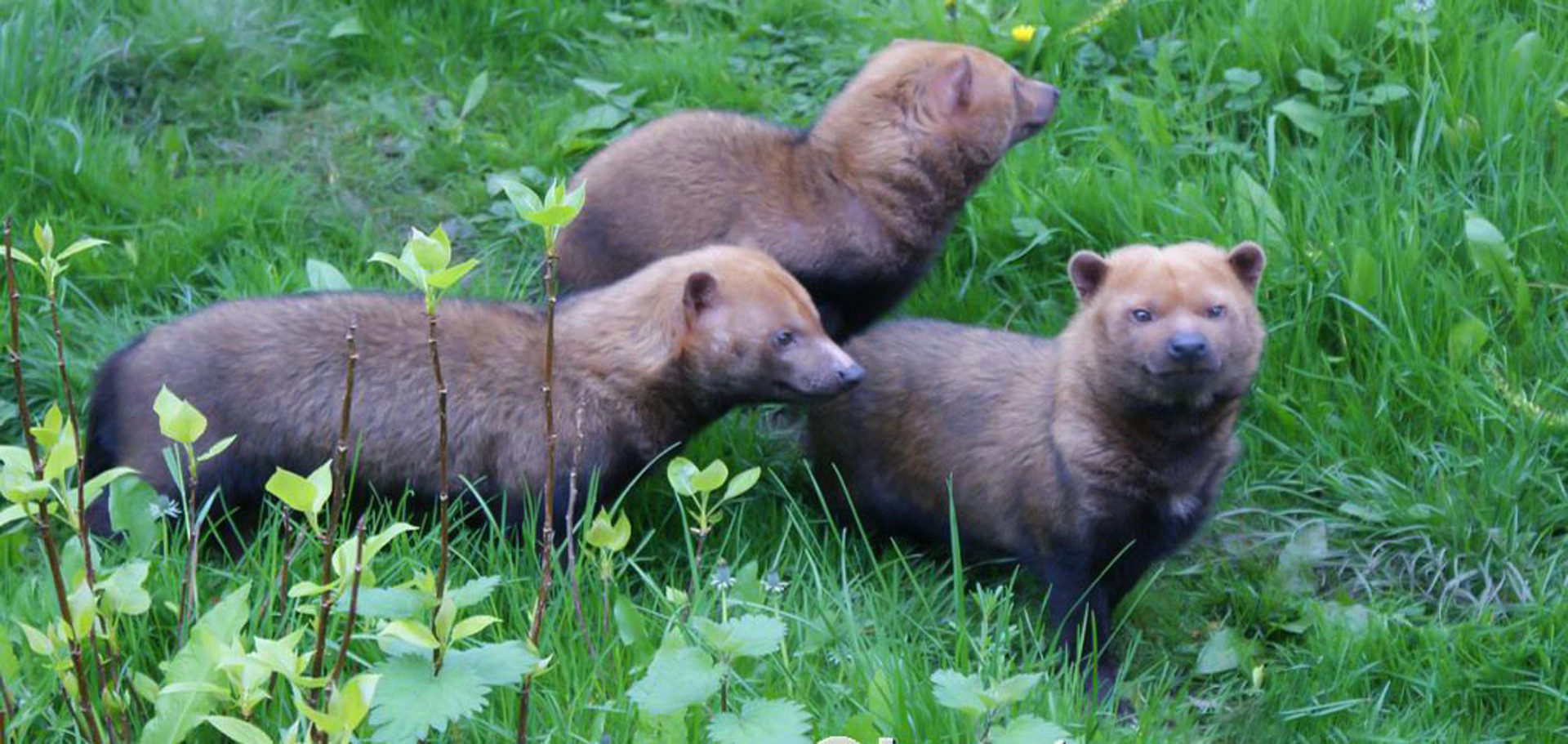

 American Barn Owl (Tyto furcata) is a silent flier known for their lovable heart-shaped facial disk.
Like other owls, they are nocturnal hunters with exceptional hearing, large eyes, and a flexible neck.
Barn owls have asymmetrical ears that enhance their hearing more than other owls; their heart-shaped facial disk also aids in scooping up the sounds around them. This is essentially beneficial in their detection of danger and in hunting for prey. Barn owls primarily prey upon mice and voles---and swallow them whole.
This bird is a cavity nester, often making home in tree cavities or barns, hence their name! They are monogamous owls who mate for life, working together to find cavities to make home in and hunt for prey cooperatively. Barn owl couples make time to regularly reinforce their courtship bonds with gentle chitters, grooming, and beak touching.
Barn owls are often brought up for their eerie screeching and hisses, even their excessively fluffy owlets make a surprisingly chilling hiss when they are begging for food.
Barn owls are unique in that they are an owl with a low wing loading, meaning they have big, fluffy wings with a small, light body. This gives them a graceful, gentle flight and makes them hover in the air at times. Their light, silent wings make them able to hunt prey in the complete dark without needing to use their eyesight.
Barn owls are endangered in the Midwest, United States, particularly in Michigan. Michigan's prairie vole is listed as endangered and serve as barn owl's main source of prey in the state.
With declining numbers in named states of the United States, it is important to highlight that the declining population of our rodents will negatively impact the flora below and the fauna above.

Check out this conservancy dedicated to barn owls!
Check out this video to learn about the various screeches, chitters, and clicks of a barn owl!

Jamaican Flower Bat (Phyllonycteris aphylla) is a little, leaf-nosed bat found in only two cave systems in Jamaica. This bat is striking for their pale fur contrasted against the dark flight membranes; the addition of their deep pink arms and legs makes this creature look particularly elegant.
Jamaican Flower Bats roost in extremely hot caves---reaching above 100 degrees Fahrenheit! These bats are social cave-dwellers and depend on these hot caves to survive with their colonies in the hundreds.
As their name suggests, Jamaican Flower Bats eat primarily nectar, pollen, and fruit from flowers. They will eat insects, as well, if need be.
As a critically endangered creature, there is limited information and research on the Jamaican Flower Bat. This species is primarily suffering at the hands of human disturbance within the cave systems and feral cats preying upon the bats---which is the result of further human error. It is estimated that there are fewer than 250 individuals living in the wild.
It is absolutely vital to get educated on bats and how crucial their existence is to our planet, especially during this Halloween season. Bats are a highly stigmatized creature who are often associated with horror and blood-sucking.
Take the Jamaican Flower Bat, for example, who is preoccupied with flowers and fruit, living in their small colonies in the tropics of Jamaica. This gorgeous flower bat is far from fitting within these false stigmas. They are an incredible bat in need of conservation and research. The cave systems they call home are in need of conservation, as well. It is important to note that conservation does not only apply to species but to habitats, as well.
Take a moment out of your day during this Halloween season to get educated about bats and their importance to our life on Earth. Bats take up about 20% of all mammals in the world. They are diligent pollinators and nature's pesticide; our harvests will continue to suffer without them. In the last 10 years alone, their population has decreased by 37% and is projected to drop another 75% in the next 10 years.
I will list some conservations if you desire to get involved! Additionally, these sites aided me in writing this excerpt!

Check out The Bat World Sanctuary who is an accredited giant in bat conservation; you can even honorarily adopt a bat! I adopted the bat named Gizmo ^-^
Check out The Bat Conservation International who is another accredited giant in bat conservation; you can also honorarily adopt a plushie bat!
Check out this video to learn more about the Jamaican Flower Bat and the importance bats have on the ecosystem through this video from The Bat Conservation International!
Featured Song Archive

2/8/25


As I was editing my homepage, this song came on my playlist shuffle. It is a song that speaks to my soul. I think it is a very owly kind of song. Barn Owls are going to be a huge part of my semester with my Honor's research. This will be the serendipitious anthem of my studies!
Featured Pokemon Archive


Noctowl #164 - Owl Pokemon
"NOCTOWL never fails at catching prey in darkness. This POKéMON owes its success to its superior vision that allows it to see in minimal light, and to its soft, supple wings that make no sound in flight."
Featured Artwork Archive
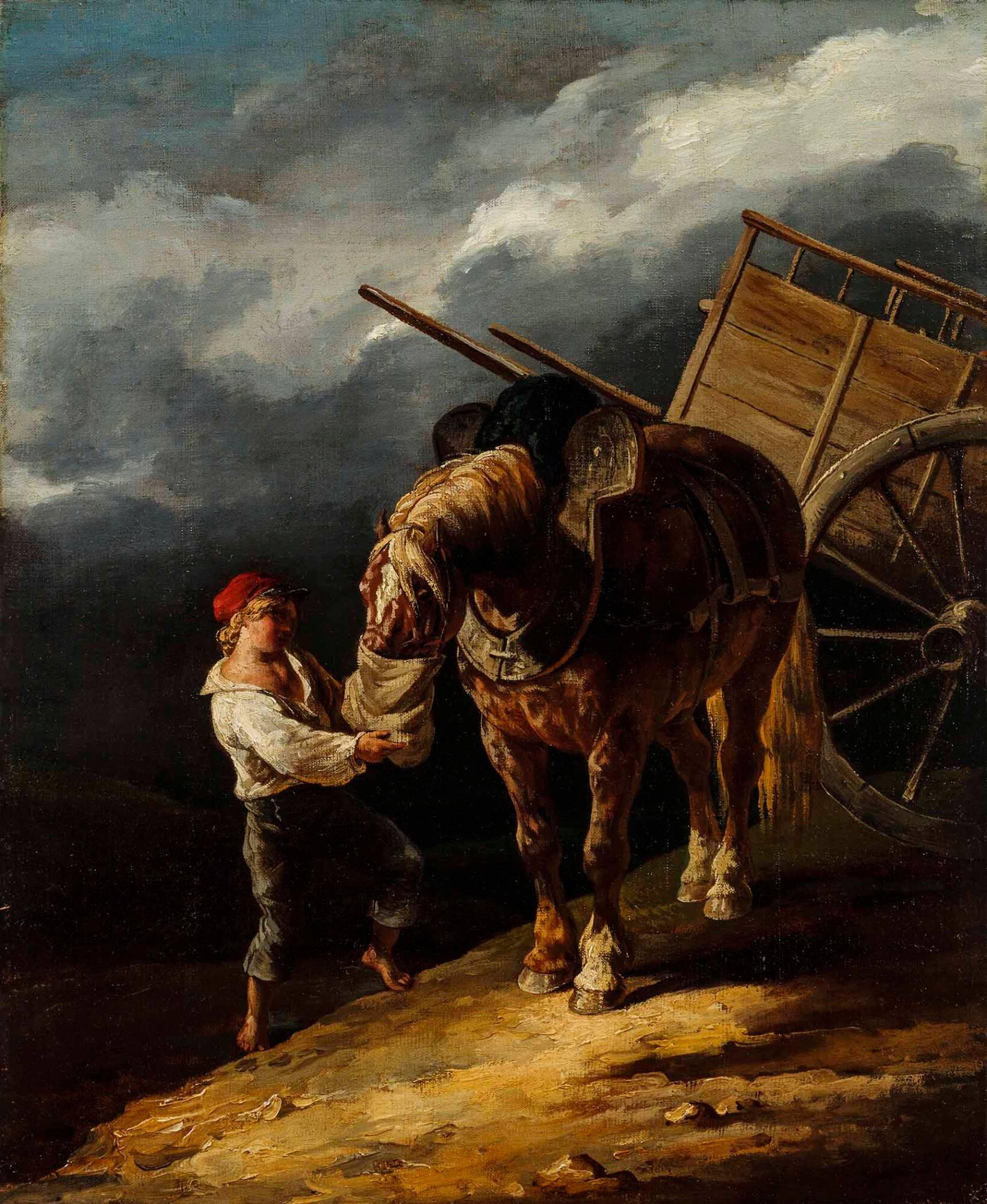
Boy Giving Oats to an Unhitched Horse
by Théodore Géricault
c. 1823, oil on canvas
On Display at the Toledo Museum of Art
Special Girlfriend Feature


